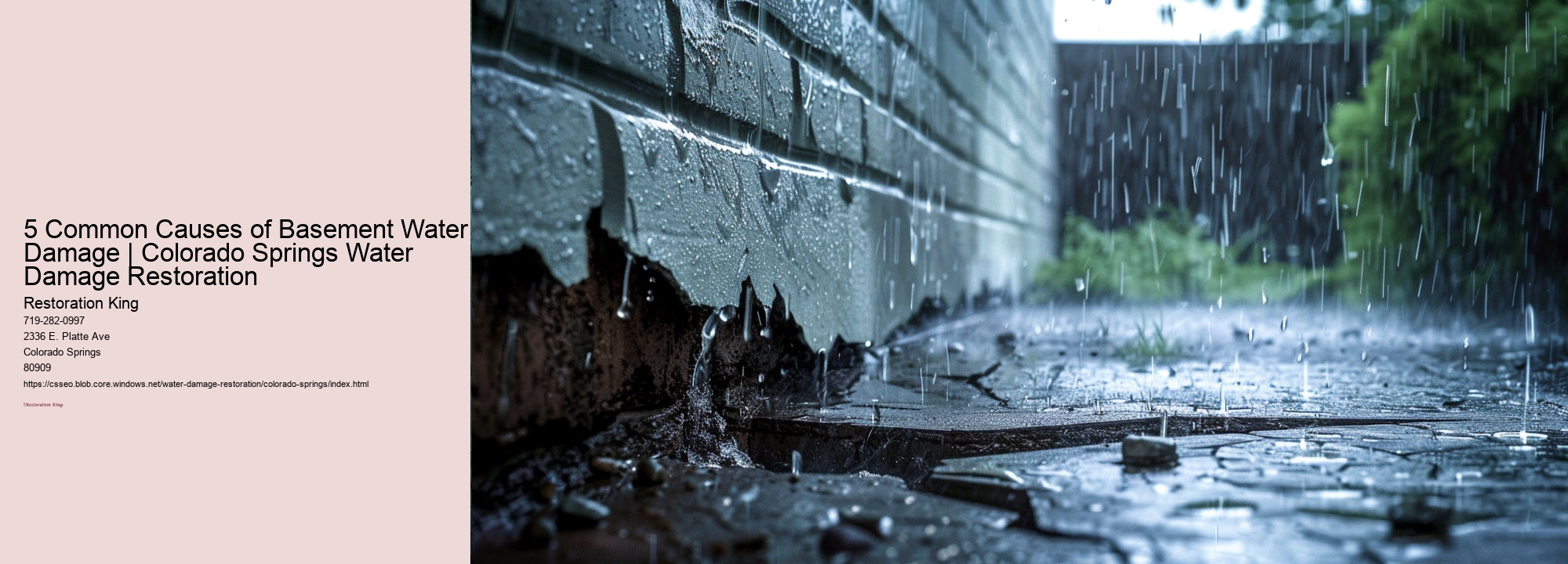
You may be unaware of the silent threats lurking beneath your home. Basement water damage can stem from various sources, each posing its own risks. From poor drainage systems to plumbing leaks, these causes can wreak havoc on your property if left unchecked. Understanding the common culprits is the first step towards safeguarding your basement from potential harm. So, what are these five prevalent factors that could be putting your basement at risk? Let's explore further.
Poor Drainage Systems
If your basement constantly floods during heavy rainstorms, the culprit may often be traced back to poor drainage systems. One common solution to this issue is the installation of a sump pump. A sump pump is a device that helps to remove water that has accumulated in a sump pit, typically found in the basement. It's designed to pump out excess water away from the foundation of your home, preventing flooding and water damage.
Another effective method to address poor drainage is the installation of a French drain. A French drain is a trench filled with gravel or rock containing a perforated pipe that redirects surface and groundwater away from the property. This system helps to alleviate water buildup around the foundation of your home, reducing the risk of basement flooding.
Foundation Cracks
Foundation cracks in your basement can be a common source of water damage, often leading to leaks and moisture issues. When left unaddressed, these cracks can compromise the structural integrity of your home and create a conducive environment for mold growth. Here are some key points to keep in mind regarding foundation cracks:
- Crack Size: Even small cracks can allow water seepage into your basement, underscoring the importance of prompt repair.
- Moisture Control: Proper moisture control measures are essential to prevent further water damage and maintain a healthy indoor environment.
- Foundation Inspection: Regular inspections can help identify and address cracks early on, preventing extensive water damage.
- Professional Repair: Seek assistance from professionals to accurately assess the severity of the cracks and implement effective repair solutions.
- Long-Term Impact: Ignoring foundation cracks can lead to costly repairs and jeopardize the safety of your home over time.
Maintaining a vigilant approach towards foundation cracks is essential for safeguarding your property against water damage and preserving its structural integrity.
Heavy Rainfall
Addressing foundation cracks promptly can help mitigate potential water damage risks in your basement, especially during heavy rainfall. When heavy rain occurs, it's important to make sure your sump pump is well-maintained and functioning correctly. Regular sump pump maintenance, including checking for debris and testing its operation, is essential to prevent water buildup in your basement. Waterproofing your basement walls and floors is also essential to protecting your home during heavy rainfall.
Additionally, it's crucial to pay attention to your gutters and downspouts. Clogged gutters can lead to water overflowing and pooling around your foundation, increasing the risk of water seeping into your basement. Make sure your gutters are clean and free of debris to allow proper water drainage away from your home.
Plumbing Leaks
Regularly inspecting your plumbing system for leaks is essential in preventing basement water damage. Plumbing leaks can lead to significant issues if not addressed promptly. Here are some key points to keep in mind:
- Pipe Corrosion: Over time, pipes can corrode, leading to cracks and leaks that allow water to seep into your basement.
- Water Stains: Keep an eye out for water stains on walls or ceilings, as they can indicate a hidden plumbing leak.
- Sump Pump Malfunction: A malfunctioning sump pump can result in water not being properly diverted away from your home, increasing the risk of basement flooding.
- Mold Growth: Excess moisture from plumbing leaks can create a perfect environment for mold to thrive, posing health risks and further damaging your basement.
- Increased Water Bills: Unexplained spikes in your water bill could be a sign of a hidden plumbing leak that needs immediate attention.
Improper Exterior Grading
To prevent basement water damage, ensuring proper exterior grading around your home is essential. Improper exterior grading can lead to water pooling near the foundation, increasing the risk of leaks and seepage into your basement. Landscaping solutions play an important role in maintaining the correct slope away from your home. By strategically planting shrubs and creating gentle slopes, you can direct water away from the foundation. Incorporating downspout extensions and French drains can also help divert water away from your home.
Additionally, waterproofing techniques such as applying sealants to your foundation walls and installing a proper drainage system can further safeguard your basement against water infiltration. Regularly inspecting the grading around your home and making necessary adjustments can prevent costly water damage repairs in the future. By implementing these measures, you can effectively protect your basement from the detrimental effects of improper exterior grading.
Frequently Asked Questions
How Can Landscaping Affect Basement Water Damage?
When it comes to landscaping and basement water damage, grading issues and drainage solutions play an essential role.
Improper grading can cause water to flow towards your home's foundation, increasing the risk of water seepage into the basement. To prevent this, make sure that your yard slopes away from the house.
Additionally, consider installing drainage solutions like downspout extensions or French drains to divert water away from the foundation and protect your basement from water damage.
Are There Any Preventative Measures for Basement Flooding?
To prevent basement flooding, consider interior waterproofing and exterior grading. Interior waterproofing helps seal cracks and prevent water intrusion from the inside. Exterior grading guarantees water drains away from your home's foundation.
French drains can redirect water flow, while window wells should be properly sealed to prevent leaks. These measures can help safeguard your basement from potential water damage, keeping your home dry and protected.
Can High Water Tables Contribute to Basement Water Damage?
High water tables can indeed contribute to basement water damage. To prevent this, consider implementing proper drainage solutions and waterproofing techniques. Address any foundation cracks promptly to avoid water seepage.
Mold prevention is essential, so make sure your basement is well-ventilated and moisture-free. By taking these precautions, you can minimize the risk of water damage caused by high water tables.
What Role Do Sump Pumps Play in Preventing Water Damage?
Sump pumps play an important role in preventing water damage by efficiently removing excess water from basements. Regular sump pump maintenance is vital to make sure it functions properly when needed.
Additionally, waterproofing solutions can complement sump pump efforts by keeping water out in the first place. By combining proper sump pump care with effective waterproofing, you can greatly reduce the risk of basement flooding and water damage.
How Do I Know if My Basement Is at Risk for Mold Growth?
To determine if your basement is prone to mold growth, start by monitoring moisture levels. Look for signs of dampness or water leaks, as these indicate a risk.
Inspect the structural integrity of the walls and foundation for any cracks or gaps that could allow water infiltration. Keeping your basement dry and well-ventilated is essential in preventing mold.
Consider using a dehumidifier to control moisture levels and reduce the risk of mold growth.
Conclusion
To sum up, basement water damage can be caused by a variety of factors such as poor drainage systems, foundation cracks, heavy rainfall, plumbing leaks, and improper exterior grading.
It's important to address these issues promptly to prevent flooding and structural damage. Regular maintenance, inspections, and proper waterproofing techniques are essential in protecting your basement from water damage.
Stay proactive and vigilant in maintaining your home to avoid costly repairs in the future.