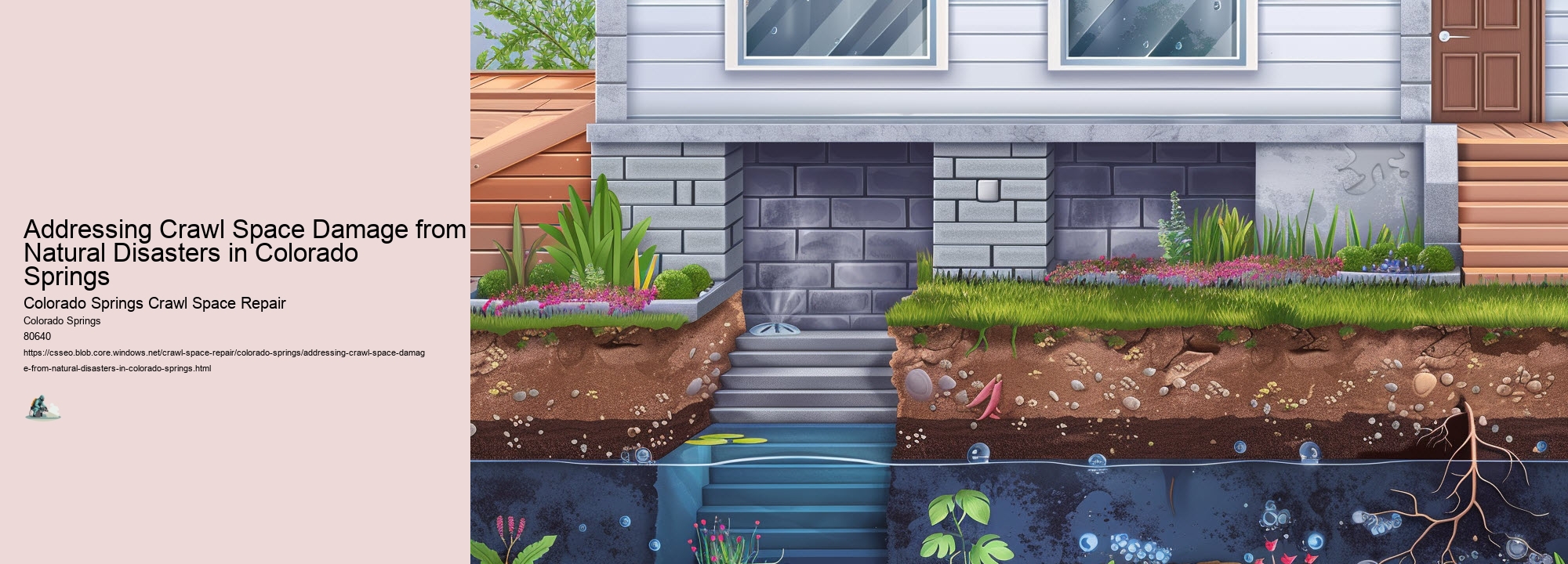
When facing crawl space damage from natural disasters in Colorado Springs, it's crucial to evaluate the long-term implications on your property's structural stability. From floods to wildfires, these events can lead to unseen issues that may compromise your home's foundation. By understanding the types of damages that can occur and the potential risks involved, you can better prepare yourself for the necessary steps to safeguard your property. Stay tuned to discover effective strategies and proactive measures to address crawl space damage and guarantee the resilience of your Colorado Springs property.
Types of Crawl Space Damage
Various natural disasters in Colorado Springs can cause different types of damage to crawl spaces, including water intrusion, foundation cracks, and structural issues.
Water intrusion is a significant problem, often caused by heavy rainfall or flooding. When water seeps into the crawl space, it can lead to mold growth, wood rot, and corrosion of metal components.
Foundation cracks are another issue that can arise due to earthquakes or soil shifting during landslides. These cracks weaken the structural integrity of the foundation, potentially compromising the entire building.
Structural issues, such as sagging floors or leaning walls, may occur as a result of extreme weather conditions like strong winds or heavy snow loads. These problems can be indicators of underlying structural damage that needs immediate attention to prevent further deterioration.
Understanding the types of damage that natural disasters can inflict on crawl spaces is essential for implementing effective mitigation strategies and ensuring the long-term stability of a property in Colorado Springs.
Impact of Floods on Crawl Spaces
Excessive flooding can cause severe structural damage to crawl spaces, compromising the stability and integrity of buildings in Colorado Springs. When floodwaters inundate crawl spaces, the soil beneath can become saturated, leading to increased hydrostatic pressure on the foundation walls. This heightened pressure can result in cracks, shifts, or even collapses within the crawl space, jeopardizing the overall structural soundness of the building above.
Furthermore, floods can introduce excess moisture into the crawl space, creating a breeding ground for mold, mildew, and rot. The prolonged presence of moisture can deteriorate wooden supports, floor joists, and insulation, weakening the framework of the building. Additionally, floodwaters may carry contaminants and debris into the crawl space, further exacerbating the damage and posing health risks.
To mitigate the impact of floods on crawl spaces, it's vital to ensure proper drainage around the foundation, install flood vents to equalize water pressure, and consider waterproofing measures such as encapsulation to safeguard against future flooding events. Regular inspections and prompt repairs are essential to safeguarding crawl spaces from flood-related damage in Colorado Springs.
Effects of Wildfires on Crawl Spaces
When wildfires affect crawl spaces, the intense heat can compromise the structural integrity of the foundation, leading to potential collapse.
Moisture issues arise as the fire can melt pipes or damage drainage systems, causing water accumulation that may lead to mold growth.
Considerations for structural damage must include evaluating the extent of charring and heat exposure to determine the level of reinforcement and repairs needed.
Wildfire Impact on Crawlspace
Wildfires can greatly damage crawl spaces due to intense heat and burning debris. The extreme temperatures generated during a wildfire can weaken or even ignite wooden support beams in the crawl space, compromising the structural integrity of the entire building.
Additionally, burning debris and embers can find their way into the crawl space, potentially causing secondary fires or smoldering that can linger and reignite. The intense heat can also lead to the warping or melting of plastic vapor barriers, which are vital for moisture control in crawl spaces.
As a result, the protective barrier against moisture intrusion is compromised, increasing the risk of mold growth and structural damage in the crawl space and the rest of the building. To mitigate the impact of wildfires on crawl spaces, it's essential to inspect the crawl space thoroughly after a fire and assess the extent of the damage.
Prompt repairs and reinforcement of the crawl space structure, along with replacing damaged vapor barriers, are important steps to safeguard the safety and longevity of the building.
Moisture Issues After Wildfire
The aftermath of a wildfire can lead to significant moisture-related issues in crawl spaces, exacerbating the risk of mold growth and structural deterioration. To address these challenges effectively, consider the following:
- Increased Humidity Levels: Wildfires can elevate humidity levels in crawl spaces due to the destruction of vegetation that once provided shade and moisture regulation.
- Water Infiltration: The intense heat from wildfires can compromise the integrity of crawl space structures, leading to water infiltration during rain or snow events.
- Ash and Soot Accumulation: Residues from burnt materials can enter crawl spaces, creating a conducive environment for mold and mildew growth.
- Debris Blockage: Burnt debris may obstruct crawl space vents or drains, impeding proper ventilation and drainage systems that are essential for moisture control.
Addressing these moisture issues promptly after a wildfire is vital to prevent further damage and ensure the long-term stability of your crawl space.
Structural Damage Considerations
Consider the structural implications of wildfires on crawl spaces to understand the potential risks and necessary precautions for safeguarding your property.
Wildfires can cause significant damage to the structural integrity of crawl spaces by weakening foundational supports and compromising the overall stability of your home. The intense heat generated during a wildfire can lead to the deterioration of wooden beams and joists, making them prone to warping, cracking, or even collapsing. Additionally, the exposure to extreme temperatures can cause concrete foundations to crack or spall, further compromising the structural soundness of the crawl space.
To mitigate the risk of structural damage from wildfires, it's essential to conduct a thorough inspection of your crawl space post-fire and assess the extent of the damage. Reinforcing or replacing damaged wooden supports, repairing cracks in the foundation, and ensuring proper ventilation to prevent moisture buildup are vital steps in safeguarding your crawl space against structural issues caused by wildfires.
Mold Growth in Crawl Spaces
You must implement proper ventilation and moisture control in crawl spaces to prevent mold growth.
Failure to address these issues can lead to health risks such as respiratory problems and allergic reactions.
Regular inspections and maintenance are essential in safeguarding against mold infestations in crawl spaces.
Mold Prevention Tips
Regularly inspecting your crawl space for signs of moisture and promptly addressing any issues can greatly diminish the risk of mold growth in this area. Mold thrives in damp environments, making crawl spaces particularly susceptible. To prevent mold from becoming a problem in your crawl space, follow these tips:
- Guarantee Proper Ventilation: Install vents to allow air circulation in the crawl space, reducing humidity levels.
- Use Vapor Barriers: Lay down vapor barriers on the floor and walls of the crawl space to prevent moisture from seeping through.
- Fix Plumbing Leaks: Any leaks in pipes or fixtures should be repaired promptly to prevent excess moisture accumulation.
- Maintain Gutters and Downspouts: Keep gutters clean and ensure downspouts direct water away from the foundation to prevent water from seeping into the crawl space.
Health Risks Associated
Mold growth in crawl spaces poses significant health risks due to the potential for airborne spores to spread throughout the indoor environment. When mold spores become airborne, they can be inhaled, leading to respiratory issues, allergic reactions, and in some cases, more severe health problems. Mold exposure can trigger asthma attacks, cause sinus congestion, coughing, wheezing, and throat irritation. Individuals with allergies or weakened immune systems are particularly vulnerable to the health effects of mold.
Moreover, certain types of mold, like black mold (Stachybotrys chartarum), can produce mycotoxins that are harmful to human health. Exposure to these mycotoxins can result in neurological issues, skin inflammation, and even organ damage. It's essential to address mold growth in crawl spaces promptly to prevent these health risks.
Professional mold remediation services can effectively remove mold colonies, improve indoor air quality, and safeguard your health and well-being. Regular inspections and maintenance of crawl spaces can help prevent mold growth and mitigate health hazards associated with mold exposure.
Water Damage Remediation
To effectively address water damage in crawl spaces, thorough inspection and targeted remediation are essential steps in preventing further structural issues. When water infiltrates the crawl space, prompt action is vital to mitigate damage and prevent mold growth.
Here are four key steps to remediate water damage effectively:
- Assessment: Begin by evaluating the extent of the water damage. Identify the source of water entry and assess the affected areas to determine the scope of the damage.
- Water Extraction: Remove standing water using pumps, wet-dry vacuums, or dehumidifiers. Ensure thorough extraction to prevent moisture retention, which can lead to mold and mildew growth.
- Drying Process: Implement a thorough drying process using air movers and dehumidifiers to eliminate moisture trapped in building materials like wood and insulation.
- Sanitization and Restoration: Clean and sanitize the crawl space to prevent microbial growth. Repair or replace damaged insulation, vapor barriers, and structural elements to restore the space to its pre-damaged condition.
Structural Instability Risks
Inspecting crawl spaces for structural instability risks is vital following water damage to prevent potential hazards and guarantee the safety of the building's foundation.
When evaluating structural integrity, focus on checking for signs of bowing or leaning walls, sagging floor joists, or deteriorating support beams. Look for any cracks in the foundation walls or gaps between beams and walls that could indicate movement or shifting.
Pay close attention to any areas where water has pooled or caused erosion, as this can weaken the foundation over time. It's essential to evaluate the condition of the crawl space's support system, including pillars, posts, and footings, to make sure they're stable and not compromised by water damage.
Additionally, examine the soil beneath the foundation for signs of saturation or subsidence that could further destabilize the structure. By identifying and addressing these structural instability risks promptly, you can mitigate potential damage and maintain the structural integrity of the building.
Repairing Crawl Space Damage
When addressing crawl space damage, it's important to thoroughly assess the extent of the issues and develop a detailed repair plan. Here are four key steps to effectively repair crawl space damage:
- Moisture Control: Address any sources of moisture in the crawl space to prevent future damage. This may involve fixing leaks, improving ventilation, or installing a vapor barrier.
- Structural Repairs: Evaluate the structural integrity of the crawl space and repair any damaged support beams, joists, or foundation walls. Reinforcing weak areas is essential to guarantee the stability of your home.
- Insulation Replacement: Replace any insulation that has been affected by water damage or pests. Proper insulation helps regulate temperature and moisture levels in the crawl space.
- Professional Inspection: After completing repairs, have a professional inspect the crawl space to confirm that all issues have been adequately addressed. This ensures the long-term effectiveness of the repairs and the safety of your home.
Prevention and Maintenance Tips
Addressing prevention and maintenance for your crawl space is essential to safeguarding your home against potential damage from natural disasters in Colorado Springs. Regularly inspecting your crawl space for any signs of water intrusion, such as dampness or mold, is vital.
Make sure that your crawl space has proper ventilation to prevent moisture buildup, which can lead to structural damage. Installing a vapor barrier on the crawl space floor can help prevent moisture from seeping into the foundation.
Additionally, it's important to check for any cracks or gaps in the crawl space walls and foundation that could allow water or pests to enter. Seal any openings with caulk or foam insulation to maintain the integrity of your crawl space.
Monitoring the humidity levels in your crawl space and using a dehumidifier if necessary can help prevent mold growth and wood rot.
Regularly clearing debris, leaves, and other obstructions from around the perimeter of your home can also prevent water from pooling near the foundation and seeping into the crawl space.
Frequently Asked Questions
How Can I Check if My Crawl Space Is at Risk of Damage?
To confirm if your crawl space is at risk of damage, start by looking for signs like mold, mildew, or moisture. Inspect for cracks in the foundation and water stains.
Guarantee proper ventilation and drainage. Check for pests or animals living in the space.
Evaluate the structural integrity and insulation. Regularly monitor for changes and address any issues promptly to prevent further damage.
Are There Any Insurance Options for Crawl Space Damage?
You can explore insurance options for crawl space damage by contacting your insurance provider. Policies vary, so it's important to review your coverage to understand what types of damage may be included.
Some insurance plans may offer protection for specific events, while others might require additional coverage for natural disasters. Reach out to your provider to clarify your options and make sure you have the necessary protection in place.
Can I Prevent Crawl Space Damage During a Natural Disaster?
To prevent crawl space damage during a natural disaster, you should start by ensuring proper drainage around your home. Install a sump pump to manage water buildup and maintain gutters and downspouts to direct water away.
Seal any cracks or openings in the foundation and consider installing a vapor barrier to prevent moisture intrusion. Regularly inspect and maintain your crawl space to address any potential issues promptly.
What Are the Long-Term Health Risks of Mold in Crawl Spaces?
Mold in crawl spaces poses significant long-term health risks. Exposure can lead to respiratory issues, allergies, and even more severe conditions in some cases.
Mold spores released into the air can cause breathing difficulties and aggravate existing health conditions. Continuous exposure may result in chronic respiratory problems and other health issues.
It's vital to address mold promptly to mitigate health risks and maintain a safe living environment.
How Soon Should I Address Crawl Space Damage After a Disaster?
You should address crawl space damage promptly after a disaster to prevent further issues. Immediate action is vital in mitigating potential structural damage, mold growth, and health hazards.
Inspecting and repairing the crawl space soon after the disaster can save you time and money in the long run. Don't delay in securing professional assistance to assess and address any damage effectively.
Conclusion
To summarize, addressing crawl space damage from natural disasters in Colorado Springs is crucial for property safety and structural integrity.
By implementing proper drainage systems, waterproofing measures, and regular inspections, property owners can mitigate damage and prevent long-term issues like mold growth and wood rot.
Prompt evaluation and repair of crawl space damage are essential to guarantee the resilience and stability of structures against various natural disasters.
Stay proactive and prioritize maintenance to safeguard your property.
The Ultimate Guide to Crawl Space Repair in Colorado Springs
The Environmental Benefits of Proper Crawl Space Repair in Colorado Springs