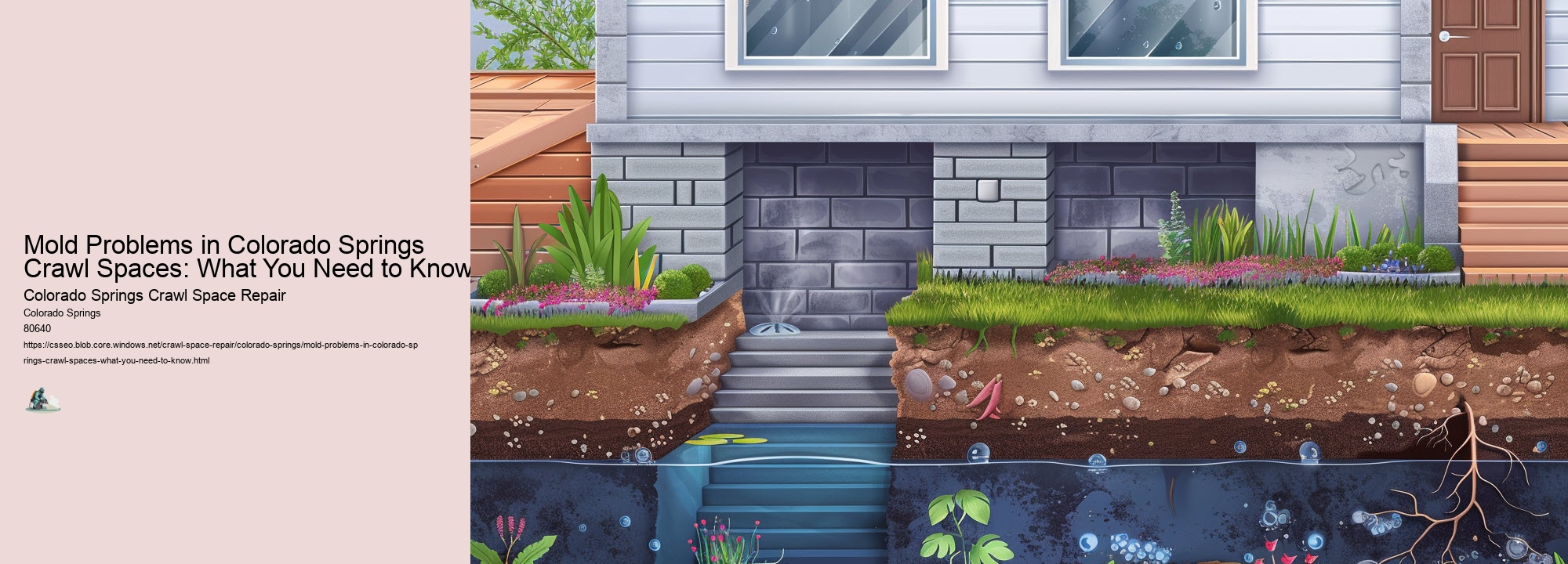
In Colorado Springs, mold issues in crawl spaces can quietly become a significant concern for homeowners. The damp conditions and lack of proper ventilation in these spaces create a breeding ground for mold growth. But what are the potential risks to your health and property? Understanding the causes of mold, its warning signs, and effective prevention strategies is vital in maintaining a safe and mold-free home environment. Let's explore how you can address these challenges and safeguard your living space from potential mold infestations.
Understanding Mold Growth
To comprehend the pervasive issue of mold growth in crawl spaces, it's essential to understand the environmental conditions that foster its development. Crawl spaces provide the perfect environment for mold to thrive due to their dark, damp, and poorly ventilated nature.
Mold spores, which are present everywhere, need moisture to grow, and crawl spaces often have high humidity levels, especially in areas with heavy rainfall or snowmelt like Colorado Springs. Additionally, any water leaks or flooding in these spaces can create a breeding ground for mold.
The combination of organic materials like wood, insulation, and dust found in crawl spaces further fuels mold growth. Mold feeds on these materials, breaking them down and spreading throughout the space. Lack of sunlight and airflow exacerbate the issue by creating stagnant conditions where mold can flourish undisturbed.
Understanding these factors is vital in tackling mold problems effectively in crawl spaces.
Common Causes of Mold
When it comes to mold growth in crawl spaces, moisture sources and poor ventilation are key factors to take into account. Excess moisture from leaks, high humidity levels, or inadequate drainage can create the damp environment mold thrives in.
Additionally, insufficient ventilation can trap moisture and prevent proper air circulation, leading to mold issues.
Moisture Sources
Excessive moisture in crawl spaces is a key factor contributing to mold growth in Colorado Springs homes. Understanding the moisture sources in these spaces is essential to prevent mold infestations.
One common source of moisture is water seepage from the surrounding soil due to inadequate drainage or waterproofing. When water infiltrates the crawl space, it creates a damp environment ideal for mold to thrive. Additionally, plumbing leaks or burst pipes can introduce excess moisture into the crawl space, promoting mold growth if not promptly addressed. High humidity levels in the air can also contribute to moisture accumulation, especially in poorly ventilated crawl spaces.
Furthermore, improper grading around the foundation of the house can lead to water pooling near the crawl space, increasing the risk of moisture intrusion. Condensation from HVAC ducts or uninsulated pipes can add to the humidity levels in the crawl space, providing another avenue for mold development.
Poor Ventilation
How does poor ventilation contribute to mold growth in crawl spaces?
Inadequate ventilation in crawl spaces can create a buildup of stagnant, humid air. When moisture levels rise due to poor ventilation, it creates an essential environment for mold spores to thrive. Without proper airflow to regulate moisture and humidity, condensation can form on surfaces within the crawl space, providing the necessary conditions for mold growth.
Additionally, poor ventilation can lead to temperature differentials within the crawl space. Temperature differentials can cause warm, moist air to come into contact with cooler surfaces, leading to the formation of condensation. This moisture accumulation, coupled with the lack of ventilation to dry out the area, fosters mold growth.
Furthermore, without proper ventilation, any existing mold spores in the crawl space are more likely to settle on surfaces and proliferate. Adequate ventilation is vital in preventing mold growth by regulating moisture levels and promoting air circulation in crawl spaces.
Signs of Mold in Crawl Spaces
Detecting mold in crawl spaces can be challenging due to the hidden nature of these areas. However, there are several signs you can look out for that may indicate the presence of mold. One of the most common indicators is a musty odor. If you notice a persistent musty smell coming from your crawl space, it could be a sign that mold is growing.
Another sign of mold in crawl spaces is the presence of water damage. Look for any water stains, discoloration on surfaces, or standing water. Mold thrives in damp environments, so any signs of water intrusion could suggest a mold issue.
Visual cues such as dark patches or fuzzy growth on surfaces can also signal mold growth. Inspect the walls, floor joists, and insulation for any visible mold growth.
Additionally, if you or your family start experiencing unexplained allergy symptoms or respiratory issues, mold in the crawl space could be the culprit. Regular inspections and prompt action are vital in addressing mold problems in crawl spaces.
Health Risks Associated With Mold
You should be aware that mold in crawl spaces can lead to respiratory issues like coughing and wheezing. Additionally, mold exposure can exacerbate allergies, causing symptoms such as sneezing and skin rashes.
It's important to address mold problems promptly to prevent these health risks from affecting you and your family.
Mold and Respiratory Issues
Exposure to mold in crawl spaces can lead to a range of respiratory issues, posing significant health risks to individuals in Colorado Springs. Mold spores are easily inhaled and can trigger allergic reactions, asthma attacks, and other respiratory problems. When mold infests crawl spaces, the spores can spread through the air ducts into living spaces, exacerbating these issues.
Individuals with pre-existing respiratory conditions are particularly vulnerable to the harmful effects of mold. The presence of mold in crawl spaces can worsen symptoms such as coughing, wheezing, shortness of breath, and chest tightness. Prolonged exposure to mold can lead to chronic respiratory issues and may even increase the risk of developing respiratory infections over time.
To mitigate these health risks, it's essential to address mold problems in crawl spaces promptly. Proper ventilation, moisture control, and professional mold remediation are vital steps in ensuring a healthy indoor environment and preventing respiratory issues associated with mold exposure.
Mold and Allergies
The relationship between mold presence in crawl spaces and allergic reactions is a critical aspect of understanding the health risks associated with mold exposure. Mold spores can trigger allergic reactions in individuals sensitive to them.
When mold spores are inhaled, the immune system may overreact, leading to symptoms such as sneezing, coughing, itchy eyes, and a runny nose. For those with allergies, exposure to mold can exacerbate their symptoms and cause respiratory distress.
Individuals with asthma are particularly vulnerable to mold-related allergies. Mold exposure can worsen asthma symptoms, causing wheezing, shortness of breath, and chest tightness. In severe cases, mold exposure can even trigger asthma attacks, posing a significant health risk.
To mitigate the risk of mold-related allergies, it's essential to address any mold issues in crawl spaces promptly. Proper ventilation, moisture control, and regular inspections can help prevent mold growth and reduce the likelihood of allergic reactions.
If you suspect mold in your crawl space, it's advisable to seek professional help for thorough inspection and remediation.
Structural Impacts of Mold
Mold growth in crawl spaces can greatly impact the structural integrity of a home, leading to potential risks and costly repairs. Here's how mold can structurally affect your home:
- Weakening of Wooden Structures: Mold feeds on organic materials such as wood, causing it to weaken over time. This can compromise the stability of the wooden beams and supports in your crawl space.
- Deterioration of Insulation: Mold growth can deteriorate insulation materials, reducing their effectiveness. This can lead to poor energy efficiency in your home and higher utility bills.
- Damage to Foundation: If left unchecked, mold can spread to the foundation of your home. This can result in cracks, erosion, and other structural issues that may require extensive repairs.
- Risk of Collapses: In severe cases, prolonged mold exposure can lead to structural collapses in crawl spaces. This poses a significant safety hazard to occupants and necessitates immediate professional intervention.
Preventing Mold Growth
To prevent the growth of mold in crawl spaces, implement regular inspections and moisture control measures. Regular inspections are essential in identifying early signs of moisture buildup or leaks that can lead to mold growth. Check for any water intrusion, condensation, or plumbing leaks.
Make sure that the crawl space is properly sealed to prevent excess moisture from entering. Additionally, control the moisture levels by using a dehumidifier if necessary. Ensure that the ground cover is in good condition and that there's proper drainage to avoid water pooling.
Repair any cracks or gaps in the foundation walls to prevent moisture seepage. Consider installing a vapor barrier to further protect against moisture. By taking these proactive measures, you can reduce the risk of mold growth in your crawl space.
Proper Ventilation Techniques
Inspecting and addressing ventilation in your crawl space is a key aspect of maintaining a mold-free environment in your Colorado Springs home. Proper ventilation techniques can help reduce moisture buildup and prevent mold growth.
Here are some tips to make certain your crawl space has adequate ventilation:
- Install Vents: Make certain there are enough vents in your crawl space to allow for proper airflow. Vents help to circulate air and prevent stagnant, humid conditions that promote mold growth.
- Use Ventilation Fans: Consider installing fans to improve air circulation in your crawl space. Fans can help remove excess moisture and maintain a dry environment that's inhospitable to mold.
- Seal Air Leaks: Check for any gaps or cracks in the crawl space walls or foundation and seal them. Properly sealing these openings can prevent outside humid air from entering and contributing to moisture buildup.
- Monitor Humidity Levels: Use a hygrometer to monitor the humidity levels in your crawl space regularly. Keeping humidity levels below 60% can help prevent mold growth and protect your home from mold-related issues.
Moisture Control Strategies
Implementing effective moisture control strategies is crucial in maintaining a dry environment in your crawl space to prevent mold growth and protect your home in Colorado Springs.
Start by addressing any water leaks promptly to avoid excess moisture accumulation.
Make sure that the ground covering in your crawl space is a vapor barrier of at least 6 mil thickness to prevent moisture from seeping through.
Properly seal any vents in the crawl space to block outside moisture from entering.
Consider installing a dehumidifier in the crawl space to regulate humidity levels and reduce moisture.
Additionally, improving the drainage around your home's foundation can help prevent water from seeping into the crawl space.
Regularly inspect the crawl space for any signs of moisture buildup and address them promptly.
Professional Mold Remediation
When it comes to addressing mold issues in your crawl space, understanding the mold inspection process and effective mold treatment methods is essential.
Professional mold remediation involves a thorough assessment of the affected area to identify the extent of the mold problem.
Mold Inspection Process
Upon encountering mold issues in your Colorado Springs crawl space, engaging professional mold remediation services initiates with a thorough mold inspection process.
Here's what you can expect during the mold inspection:
- Visual Assessment: A certified mold inspector will visually inspect your crawl space to identify visible signs of mold growth, water damage, and moisture sources.
- Moisture Detection: Specialized tools like moisture meters and infrared cameras may be used to detect hidden moisture that could lead to mold growth.
- Air Sampling: Samples of the indoor air may be collected to analyze the mold spore levels present in your crawl space.
- Surface Sampling: Swab or tape lift samples may be taken from suspected mold growth areas to determine the type of mold present and its concentration.
Effective Mold Treatment
To effectively address mold issues in your Colorado Springs crawl space, professional mold remediation services employ proven techniques for thorough mold treatment. When you hire a professional mold remediation company, they'll start by conducting a detailed assessment of the extent of the mold growth in your crawl space. This initial inspection is vital for determining the best course of action for treating the mold effectively.
Professional mold remediation experts use specialized equipment such as HEPA vacuums, air scrubbers, and commercial-grade dehumidifiers to remove mold spores from the air and surfaces in your crawl space. They'll also apply antimicrobial treatments to prevent future mold growth and ensure a comprehensive mold remediation process.
In addition to treating the mold itself, professionals will also address the root cause of the mold growth, such as moisture issues or poor ventilation. By fixing these underlying issues, mold growth can be prevented from recurring in the future, ensuring a long-term solution to your crawl space mold problems.
Hiring a professional mold remediation service can give you peace of mind knowing that your crawl space is free from harmful mold contamination.
Maintaining a Mold-Free Environment
Maintain consistent ventilation and moisture control in your crawl space to prevent mold growth and maintain a healthy environment. Mold thrives in damp, poorly ventilated areas, making crawl spaces an ideal breeding ground.
To keep mold at bay, follow these essential steps:
- Install Proper Ventilation: Guarantee your crawl space has adequate ventilation to allow for proper air circulation. This helps reduce moisture buildup and prevents mold growth.
- Use a Dehumidifier: If your crawl space tends to be humid, consider using a dehumidifier to keep moisture levels in check. Keeping humidity below 60% greatly inhibits mold growth.
- Inspect Regularly: Make it a practice to inspect your crawl space regularly for any signs of water leaks or moisture accumulation. Addressing these issues promptly can prevent mold from taking hold.
- Seal Entry Points: Prevent excess moisture from entering your crawl space by sealing any gaps or cracks that could allow water infiltration. This simple step can go a long way in maintaining a mold-free environment.
Frequently Asked Questions
Can Mold in Crawl Spaces Affect Indoor Air Quality?
Mold in crawl spaces can definitely impact indoor air quality. When mold spores from the crawl space become airborne, they can circulate through your home's ventilation system, leading to respiratory issues and allergies.
It's essential to address mold problems promptly to prevent further contamination of the air you breathe. Regular inspections and maintenance of crawl spaces are vital to ensuring a healthy indoor environment for you and your family.
How Can Pets Be Affected by Mold in Crawl Spaces?
Pets can be affected by mold in crawl spaces because they may come into contact with mold spores while exploring or living in these areas.
Mold exposure can lead to health issues for your pets, such as respiratory problems, allergies, and skin irritations.
To safeguard your furry friends, addressing any mold problems in crawl spaces promptly and providing them with a clean and safe environment to roam in is crucial.
Is Mold in Crawl Spaces Covered by Insurance?
Yes, mold in crawl spaces is typically not covered by standard homeowner's insurance policies. It's considered a maintenance issue that arises from neglect or poor ventilation.
However, some insurance companies offer separate mold insurance as an add-on to policies. To confirm coverage, it's best to check with your insurance provider and consider preventive measures to mitigate mold growth in crawl spaces.
Can Mold in Crawl Spaces Attract Pests?
Yes, mold in crawl spaces can attract pests. Mold often produces a musty odor that can lure insects and rodents seeking shelter or food.
Additionally, mold growth can create a damp environment that's attractive to various pests. To prevent this, it's essential to address any mold issues promptly and maintain proper ventilation and moisture control in crawl spaces to deter pests from taking up residence.
How Does Mold in Crawl Spaces Impact Property Value?
Having mold in crawl spaces can greatly impact property value. Mold issues can indicate moisture problems and poor ventilation, which can lead to structural damage and health concerns.
When potential buyers discover mold in crawl spaces, they may be deterred from purchasing the property or negotiate a lower price due to the cost of remediation.
Addressing mold promptly and effectively is essential to maintaining or increasing property value.
Conclusion
To sum up, comprehending the causes, signs, and risks associated with mold growth in Colorado Springs crawl spaces is crucial for maintaining a healthy indoor environment.
By implementing proper ventilation techniques, moisture control strategies, and regular inspections, homeowners can prevent mold proliferation and protect their homes from structural damage and health risks.
Stay proactive and vigilant in addressing mold issues to guarantee a mold-free environment for you and your family.
The Ultimate Guide to Crawl Space Repair in Colorado Springs
Innovative Crawl Space Repair Techniques in Colorado Springs