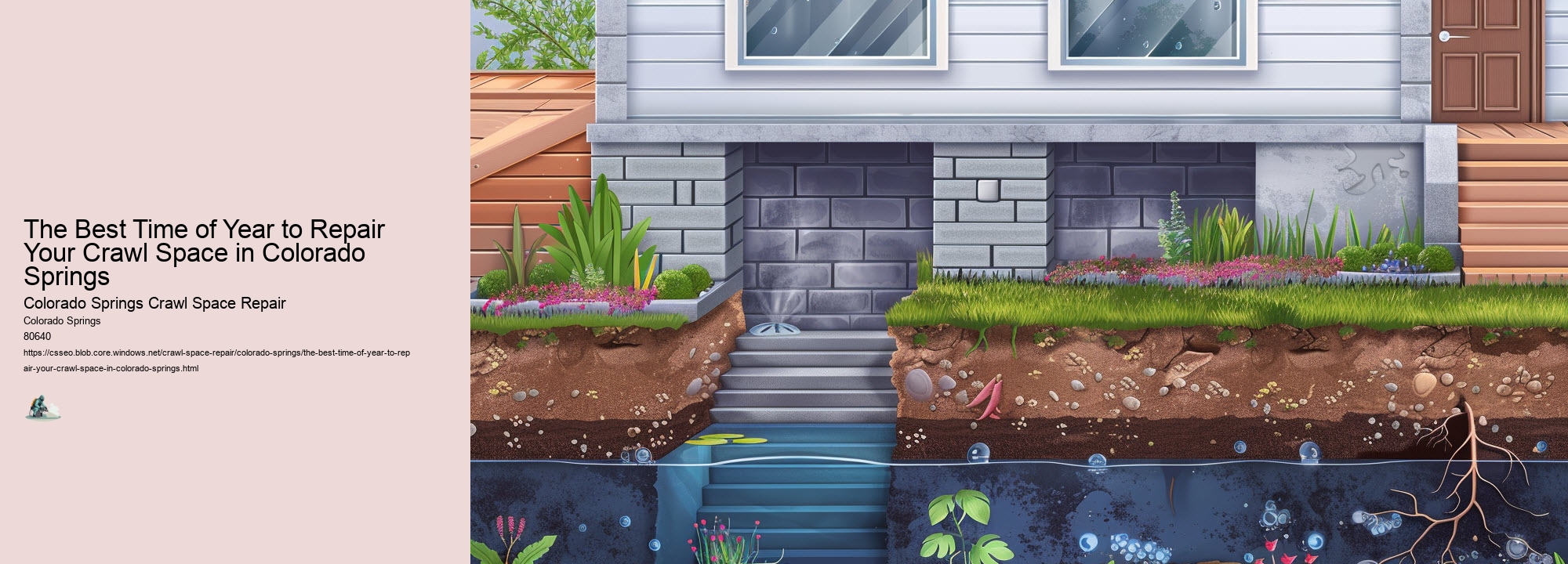
When it comes to addressing crawl space repairs in Colorado Springs, timing is crucial. Each season offers unique opportunities to tackle specific maintenance tasks that can enhance the overall health and efficiency of your crawl space. Whether you're aiming to combat moisture issues, prevent pest infestations, or improve energy efficiency, understanding the best time of year to execute these repairs can make all the difference. Stay tuned to discover the best timing for each maintenance task and guarantee your crawl space remains in top condition year-round.
Spring: Moisture Management
To effectively manage moisture in your crawl space during spring, implement proactive drainage solutions. Start by inspecting the area for any signs of standing water or excess moisture.
Consider installing a sump pump to remove water that accumulates in the crawl space. Confirm that the pump is in good working condition and has a proper drainage system in place.
Additionally, evaluate the grading around your home to make sure that water flows away from the foundation and crawl space. If necessary, adjust the slope to prevent water from pooling near the structure.
Another important step is to seal any cracks or openings in the crawl space foundation to prevent water intrusion. Use a high-quality waterproof sealant to fill in gaps and prevent moisture from seeping into the space.
It's also recommended to install a vapor barrier on the floor of the crawl space to further protect against moisture infiltration. By taking these proactive measures, you can effectively manage moisture in your crawl space and prevent potential issues such as mold growth and structural damage.
Summer: Pest Prevention
Implement thorough pest prevention measures during the summer months to safeguard your crawl space in Colorado Springs. Summer is a prime time for pests to seek refuge in crawl spaces, potentially causing damage and health hazards.
To effectively safeguard your crawl space from pests, start by inspecting the perimeter for any openings or cracks that could serve as entry points. Seal off these gaps using appropriate materials such as wire mesh or caulk to block out insects and rodents. Additionally, make sure that vegetation is trimmed back from the foundation to reduce the likelihood of pests finding their way in.
Installing a barrier like a moisture barrier can also act as a deterrent for pests. Regularly monitor your crawl space for signs of pest activity, such as droppings or gnaw marks, and promptly address any issues that arise.
Fall: Insulation Installation
How can you effectively enhance the energy efficiency of your crawl space in Colorado Springs during the fall season?
Insulation installation is an important step in optimizing the energy performance of your crawl space. As temperatures begin to drop, making sure that your crawl space is properly insulated can help prevent heat loss and reduce energy bills.
Start by evaluating the current insulation levels in your crawl space. If the insulation is inadequate or damaged, consider installing new insulation to improve thermal resistance.
When selecting insulation materials, choose options that are suitable for crawl spaces, such as rigid foam board or spray foam insulation. These materials are effective at sealing gaps and preventing air leakage, which can greatly enhance energy efficiency.
Proper installation is key to maximizing the benefits of insulation. Make sure that the insulation is correctly placed and sealed to prevent moisture buildup and mold growth.
Winter: Air Quality Improvement
Evaluate the current air quality in your crawl space to identify potential improvements for the winter season. Poor air quality can lead to various issues like mold growth, pest infestations, and health concerns.
In the winter, when the crawl space is sealed off from outside air, it's vital to guarantee good air quality inside.
To enhance air quality during winter, consider installing a vapor barrier to prevent moisture buildup, which can lead to mold and mildew. Proper ventilation is essential to allow fresh air circulation and prevent stagnation.
Additionally, sealing off any gaps or cracks can help prevent pests from entering and contaminating the air.
Regularly inspect and clean your crawl space to remove any debris, dust, or mold that may be affecting the air quality. Using air purifiers or dehumidifiers can also help maintain a healthy environment.
Early Spring: Mold Remediation
As you move into early spring, prioritizing mold remediation becomes essential for your crawl space in Colorado Springs.
Understanding the significance of thorough mold inspections, implementing effective prevention measures, and considering the benefits of professional remediation are key aspects to address.
Mold Inspection Importance
Inspecting your crawl space for mold in the early spring is vital for effective mold remediation in Colorado Springs. Mold thrives in damp, dark environments, making crawl spaces a common area for mold growth.
Conducting a mold inspection allows you to identify any existing mold issues promptly. Early detection is key to preventing mold from spreading and causing further damage to your property.
During the inspection, look for visible signs of mold, such as discolored patches on surfaces or a musty odor. It's also important to check for any water leaks or moisture buildup, as these conditions create a conducive environment for mold growth.
A thorough mold inspection can pinpoint the source of the problem, enabling you to address it effectively.
Professional mold inspectors have the expertise and tools to conduct a detailed assessment of your crawl space. They can provide detailed reports on the extent of the mold infestation and recommend the appropriate remediation steps.
Prevention Measures Overview
To effectively address mold remediation in your crawl space during early spring in Colorado Springs, implementing preventive measures is essential. Begin by ensuring proper ventilation in the crawl space to reduce moisture levels, as mold thrives in damp environments.
Install a vapor barrier to prevent moisture from seeping through the ground and into the crawl space. Regularly inspect for any leaks in plumbing or cracks in the foundation that could introduce water into the area. It's important to keep gutters clean and properly functioning to direct water away from the foundation.
Additionally, check for any signs of water damage or mold growth regularly to catch issues early. Consider using a dehumidifier to maintain ideal humidity levels. Proper insulation can also help regulate temperature and prevent condensation.
Professional Remediation Benefits
Hiring a professional remediation service for mold in your crawl space during early spring can provide significant benefits in effectively addressing and eliminating the issue. Professionals have the expertise to identify the extent of the mold problem accurately. They utilize specialized equipment to detect hidden mold growth and moisture sources that may not be apparent to the untrained eye.
Early spring is an ideal time for mold remediation as the weather is starting to warm up, creating conditions where mold can thrive if not properly addressed. Professional remediation services have access to advanced techniques for mold removal, ensuring that all affected areas are thoroughly treated to prevent regrowth. They also have the necessary protective gear and follow strict safety protocols to mitigate health risks associated with mold exposure.
Late Spring: Vapor Barrier Installation
For best protection against moisture in your crawl space during late spring, it is ideal to install a vapor barrier. This barrier helps prevent moisture from seeping into your crawl space, protecting it from potential damage and mold growth. Late spring is an ideal time for installing a vapor barrier in your crawl space in Colorado Springs.
Here are some key steps to follow for a successful vapor barrier installation:
- Clean the Area: Remove any debris, dirt, or old insulation from the crawl space floor.
- Inspect for Damage: Check for any signs of water damage, leaks, or pest infestations that need to be addressed before installing the vapor barrier.
- Measure and Cut: Precisely measure the dimensions of your crawl space and cut the vapor barrier material accordingly.
- Secure the Barrier: Use a heavy-duty tape or adhesive to secure the vapor barrier to the crawl space walls and floor.
- Overlap Seams: Make sure that the seams of the vapor barrier overlap to create a continuous barrier against moisture infiltration.
Early Summer: Structural Repairs
After completing the vapor barrier installation in late spring, the next step in maintaining your crawl space in Colorado Springs during early summer is addressing any necessary structural repairs. Early summer is an ideal time to assess the structural integrity of your crawl space and make any needed fixes to guarantee the stability and safety of your home.
Start by inspecting the wooden support beams and floor joists for signs of rot, decay, or pest damage. These components are essential for the overall strength of your crawl space and should be promptly repaired or replaced if any issues are detected.
Additionally, check for any sagging floors or uneven surfaces, as these could indicate underlying structural problems that need attention.
It is recommended to consult with a professional contractor or structural engineer to accurately assess the condition of your crawl space and determine the best course of action for repairs.
Late Summer: Dehumidifier Installation
You should consider implementing humidity control strategies in your crawl space during late summer to prevent moisture-related issues.
Installing a dehumidifier can greatly reduce excess moisture levels, helping to inhibit mold growth and protect structural integrity.
Humidity Control Strategies
To effectively reduce humidity levels in your crawl space during late summer, consider installing a dehumidifier to prevent moisture-related issues. High humidity in your crawl space can lead to mold growth, structural damage, and poor air quality in your home.
Here are some humidity control strategies to help you maintain a dry and healthy crawl space:
- Dehumidifier Installation: Installing a dehumidifier can effectively lower the humidity levels in your crawl space.
- Sealing Vents and Gaps: Seal off any vents or gaps in your crawl space to prevent humid air from entering.
- Vapor Barrier: Installing a vapor barrier on the ground can help prevent moisture from seeping into your crawl space.
- Proper Drainage System: Make sure that your crawl space has a proper drainage system in place to redirect water away from the area.
- Regular Inspections: Conduct regular inspections to identify any signs of moisture buildup or leaks early on.
Dehumidifier Benefits
Installing a dehumidifier in your crawl space during late summer offers numerous benefits in controlling moisture levels and preventing potential issues. By reducing the moisture content in the air, a dehumidifier helps inhibit the growth of mold, mildew, and bacteria, which thrive in damp environments. This not only improves the air quality in your crawl space but also in your entire home as these harmful microorganisms can spread through the air.
Additionally, controlling humidity levels can help prevent structural damage to your home caused by excessive moisture, such as wood rot and corrosion of metal components. A dehumidifier also aids in preserving the integrity of insulation and preventing it from becoming saturated, which can compromise its effectiveness.
Furthermore, by maintaining ideal humidity levels, you can discourage pests like dust mites, cockroaches, and termites that are attracted to damp environments. Overall, investing in a dehumidifier for your crawl space is a proactive measure that can protect your property and the health of your household.
Early Fall: Waterproofing Measures
Considering the early fall season in Colorado Springs, implementing waterproofing measures in your crawl space is vital to prevent moisture-related issues.
Here are some essential steps you should take:
- Assess Drainage: Make sure that the ground around your home slopes away to prevent water from pooling near the foundation.
- Seal Foundation Cracks: Inspect your crawl space for any cracks or gaps in the foundation walls and seal them to prevent water intrusion.
- Install Vapor Barrier: Lay down a high-quality vapor barrier to prevent moisture from seeping through the soil and into your crawl space.
- Check Sump Pump: Test your sump pump to make sure it's in good working condition and able to handle excess water effectively.
- Inspect Gutters and Downspouts: Clean your gutters and extend downspouts away from the foundation to direct water away from your home.
Late Fall: Energy Efficiency Upgrades
Implementing energy efficiency upgrades in your crawl space during late fall can greatly reduce your utility costs and enhance the overall comfort of your home. As temperatures drop, ensuring that your crawl space is properly insulated and sealed can prevent heat loss and air leakage, leading to significant energy savings.
One key enhancement to contemplate is adding insulation to the walls and floors of your crawl space. This helps in maintaining a consistent temperature within your home and reduces the workload on your heating system. Additionally, sealing any gaps, cracks, or openings in the crawl space can prevent cold air infiltration and heat loss, further improving energy efficiency.
Installing a vapor barrier is another effective energy-saving measure. This barrier helps control moisture levels, preventing mold growth and potential structural damage. By controlling moisture, you also enhance the overall indoor air quality of your home.
Frequently Asked Questions
Can I Repair My Crawl Space During Extreme Weather Conditions?
Yes, you can repair your crawl space during extreme weather conditions, but it may pose challenges. High temperatures can make working conditions uncomfortable and impact the curing of certain materials.
Similarly, extreme cold can affect adhesives and sealants. Guarantee proper ventilation, use appropriate materials designed for the specific weather conditions, and take necessary safety precautions to mitigate any potential risks associated with repairing your crawl space during extreme weather.
How Can I Prepare My Crawl Space for Seasonal Changes?
To prepare your crawl space for seasonal changes, begin by sealing any cracks or gaps to prevent moisture infiltration. Guarantee proper ventilation to reduce humidity.
Insulate pipes to prevent freezing in winter. Install a vapor barrier to prevent moisture buildup.
Regularly inspect for leaks and pest infestations. Consider installing a dehumidifier for better moisture control.
Properly maintaining your crawl space will help protect your home from potential issues caused by seasonal changes.
Are There Any DIY Options for Crawl Space Repairs?
You can tackle some DIY crawl space repairs like sealing air leaks, insulating pipes, or adding a vapor barrier.
However, for more complex issues like foundation cracks or structural repairs, it's best to consult a professional.
Make sure you have the necessary tools and materials, follow safety precautions, and carefully assess the extent of the damage before starting any repair work to avoid potential risks and guarantee a successful outcome.
What Are the Common Signs of Crawl Space Damage?
You might notice common signs of crawl space damage like sagging floors, musty odors, increased humidity, and pest infestations. These issues can indicate problems such as moisture intrusion, inadequate ventilation, or structural issues.
Addressing these signs promptly can prevent further damage to your home and improve indoor air quality. Regular inspections and timely repairs can help maintain the structural integrity and health of your crawl space.
Is Professional Inspection Necessary Before Starting Repairs?
Before starting repairs, a professional inspection is crucial. Inspections help identify underlying issues that may not be immediately visible.
Professionals can assess the extent of damage accurately and recommend the most effective repair solutions. This step guarantees that repairs address the root cause of the problem, preventing future issues.
Trusting experts for an inspection guarantees that your crawl space repairs are done correctly and efficiently.
Conclusion
To sum up, following a seasonal maintenance schedule for your crawl space in Colorado Springs is crucial for a healthy and efficient home environment.
By addressing specific tasks at the right time of year, such as mold remediation in early spring, structural repairs in early summer, and insulation installation in fall, you can guarantee that your crawl space remains in top-notch condition year-round.
Stay proactive and prioritize maintenance to prevent costly issues down the line.
The Ultimate Guide to Crawl Space Repair in Colorado Springs
Addressing Crawl Space Damage from Natural Disasters in Colorado Springs