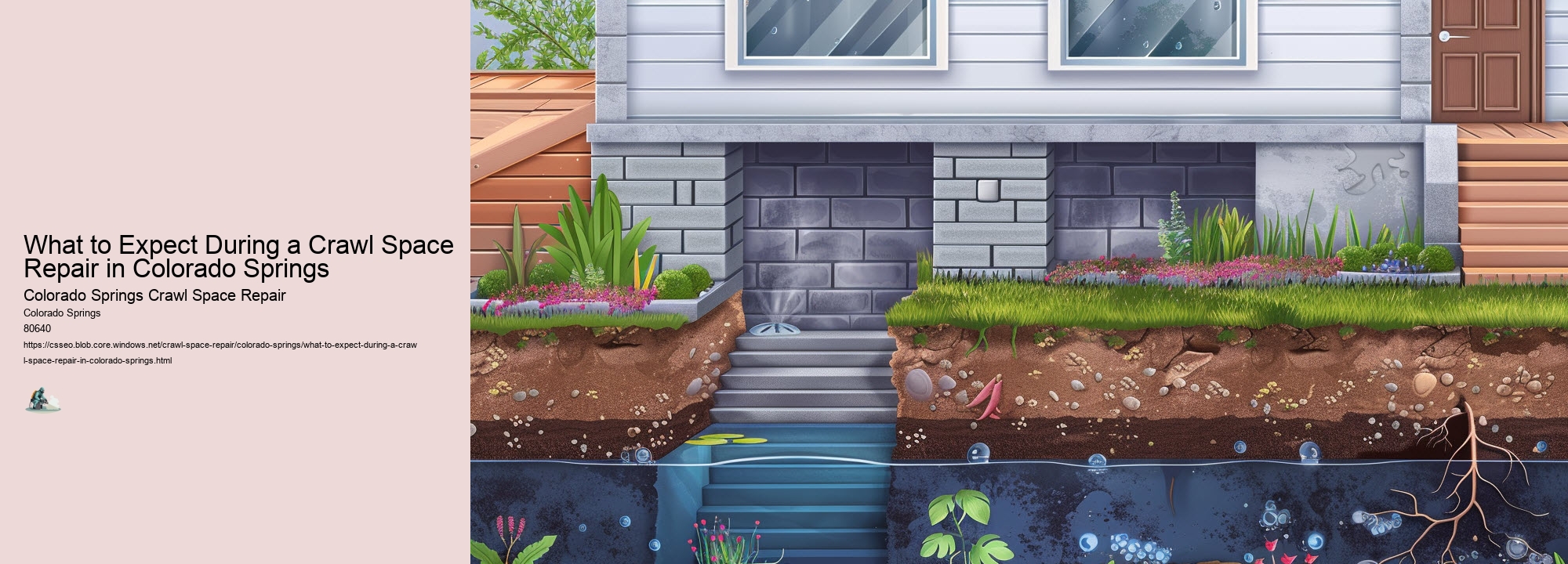
As you prepare for a crawl space repair in Colorado Springs, you might wonder what exactly awaits you under your home. The process involves a thorough inspection of your foundation and joists, a meticulous analysis of moisture levels, and the removal of any debris that could be hiding potential issues. But what comes next after these initial steps can truly transform your crawl space into a healthier and more secure environment. Stay tuned to discover the essential steps that follow to make sure your space is in top condition.
Initial Inspection
When conducting an initial inspection of a crawl space in Colorado Springs, carefully assess the structural integrity of the foundation walls and floor joists. Start by visually inspecting the foundation walls for any signs of cracks, bowing, or water damage. Use a flashlight to thoroughly examine the floor joists for any sagging, rot, or pest infestation.
Look out for mold or mildew growth, as these can indicate moisture issues.
Next, check for proper ventilation in the crawl space. Inadequate ventilation can lead to moisture buildup and mold growth. Make sure that vents are unobstructed and functioning correctly.
Inspect the insulation in the crawl space. Look for any gaps, tears, or signs of moisture damage. Proper insulation is essential for energy efficiency and preventing temperature fluctuations.
Lastly, check for any debris or clutter in the crawl space that could obstruct airflow or serve as a hiding spot for pests. Clear out any unnecessary items to maintain a clean and functional crawl space.
Moisture Assessment
Conduct a thorough moisture assessment in the crawl space by first checking for any signs of water leaks, such as damp spots or water stains. These signs may indicate active water entry points that need to be addressed. Use a moisture meter to measure the moisture content of the crawl space materials, including wood beams and insulation. Look for condensation on surfaces as this can be a sign of high humidity levels, which can contribute to mold growth. Additionally, inspect the crawl space for any standing water or pooling, as this can indicate poor drainage or plumbing issues.
- Check for water leaks and stains
- Measure moisture content with a moisture meter
- Look for condensation on surfaces
- Inspect for standing water or pooling
Structural Analysis
To thoroughly assess the structural integrity of the crawl space, examine the foundation for signs of shifting or cracks that may indicate underlying issues. Look for horizontal or stair-step cracks in concrete walls, as well as gaps between walls and floors. These could signify foundation settlement or lateral pressure from the soil.
Additionally, check for any sagging or uneven floors, which might suggest problems with the support beams or joists.
Inspect the crawl space for any signs of water damage, such as rotting wood or rust on metal supports. Water intrusion can weaken the structural elements over time. Look closely at the condition of the crawl space's columns and footings; any deterioration could compromise the stability of the entire structure.
Measure the levelness of the floors and check if any doors or windows are sticking. These could indicate a shift in the foundation.
Debris Removal
Begin by thoroughly inspecting the crawl space area to identify and remove any accumulated debris before proceeding with any repair work. Debris removal is an essential step in preparing the crawl space for repairs. Here are some key points to keep in mind during this process:
- Clearing Obstructions: Remove any large objects or obstructions that may impede access to the affected areas.
- Eliminating Organic Matter: Take out any decaying organic matter like leaves, dead insects, or rodent droppings to prevent mold growth and unpleasant odors.
- Sweeping and Vacuuming: Use a broom or vacuum to clean up dust, dirt, and smaller debris particles from the floor and walls of the crawl space.
- Checking for Moisture: While removing debris, pay attention to any signs of water damage or excessive moisture that may indicate underlying issues requiring attention before repairs can commence.
Insulation Replacement
Check the crawl space's current insulation to determine if replacement is necessary for peak energy efficiency and moisture control. Look for signs of damage, such as mold growth, moisture saturation, or pest infestations. Damaged insulation can compromise the overall effectiveness of your crawl space encapsulation system.
Evaluate the type and condition of the insulation to decide if a full replacement or targeted repairs are needed. Fiberglass insulation is commonly found in crawl spaces but may not be the most suitable option due to its susceptibility to moisture retention and mold growth. Consider replacing it with closed-cell spray foam insulation for better moisture resistance and insulation performance.
Make sure that the insulation is properly installed and sealed to prevent air leakage and maintain a consistent temperature in the crawl space. Upgrading your insulation during the crawl space repair process can enhance your home's energy efficiency and indoor air quality.
Vapor Barrier Installation
Check for any signs of moisture damage or mold growth in your crawl space insulation before proceeding with the vapor barrier installation. Installing a vapor barrier is important to prevent moisture from seeping into your crawl space and causing structural damage or promoting mold growth.
Here are some key points to keep in mind during the vapor barrier installation process:
- Clean the Area: Remove any debris, old insulation, or objects from the crawl space before laying down the vapor barrier.
- Seal Gaps and Cracks: Make sure that all gaps, cracks, and openings in the crawl space walls and floor are properly sealed to prevent moisture infiltration.
- Proper Placement: Place the vapor barrier with the seams overlapping and sealed to create a continuous barrier.
- Secure Edges: Attach the edges of the vapor barrier to the walls and floor of the crawl space to prevent any movement or shifting over time.
Following these steps will help ensure that your crawl space is properly protected against moisture, mold, and other potential issues.
Foundation Repair
Evaluating the condition of your foundation is essential before proceeding with any repair work in your crawl space. The foundation serves as the base of your home's structural integrity, and any issues in this area can have a significant impact on the overall stability of your property.
Common signs of foundation problems include cracks in the walls, uneven floors, or gaps around windows and doors.
When addressing foundation repair in your crawl space, professionals typically start by conducting a thorough inspection to identify the root cause of the damage. This may involve examining the type of foundation you have, whether it's a slab, pier, or beam foundation, and determining the extent of any structural issues present.
Repair methods can vary depending on the specific issues identified. Some common solutions include installing additional support beams, reinforcing existing foundations, or addressing drainage problems that may be contributing to the damage.
Properly addressing foundation issues is vital to ensure the long-term stability and safety of your home.
Final Cleanup
Upon completion of the foundation repair work in your crawl space, the final cleanup process involves clearing out debris and establishing a clean and safe environment for your home.
During the final cleanup phase, the following tasks will be meticulously carried out:
- Debris Removal: All leftover construction materials, tools, and any waste will be removed from the crawl space to prevent any hazards or obstructions.
- Dust and Dirt Removal: The area will be thoroughly cleaned to eliminate any dust, dirt, or particles that may have accumulated during the repair process.
- Moisture Check: A final check will be conducted to verify that there's no excess moisture or water present in the crawl space, which could lead to mold or mildew growth.
- Sanitization: To guarantee a hygienic environment, the crawl space will be sanitized to eliminate any potential sources of bacteria or odors.
Frequently Asked Questions
How Long Will the Crawl Space Repair Process Take?
The crawl space repair process duration varies based on the extent of damage and required repairs. Factors such as moisture levels, structural issues, and insulation replacement can influence timelines.
Typically, repairs can take anywhere from a few days to a couple of weeks. A thorough assessment by professionals will provide a more accurate estimate for your specific situation.
Be prepared for potential disruptions during the repair process, but rest assured that experts will work efficiently to restore your crawl space.
Is There a Warranty for the Repair Work?
Yes, there's a warranty for the repair work. It typically covers the materials and labor provided during the crawl space repair.
Make sure you review the terms of the warranty for specifics on what's included and the duration of coverage. Understanding the warranty will give you peace of mind knowing that any potential issues post-repair will be addressed according to the agreed terms.
Do I Need to Vacate My Home During Repairs?
You won't typically need to vacate your home during crawl space repairs. However, it's advisable to discuss this with the contractors beforehand to plan accordingly.
Depending on the extent of the repairs and any potential health concerns like mold remediation, temporary relocation may be suggested.
Clear communication with the repair team will guarantee a smooth process and address any concerns regarding your living situation during the repair work.
Can I Access My Crawl Space During the Repair?
Yes, you can access your crawl space during the repair process. It's important to communicate with the repair team before entering the area to guarantee safety protocols are followed.
Be cautious of any ongoing work, and adhere to any guidelines provided by the professionals. Accessing the crawl space can help you monitor the progress and address any concerns promptly.
Stay informed and work collaboratively with the repair team for a smooth process.
Will the Repair Impact My Home's Resale Value?
During the repair, your home's resale value may be positively impacted by improving structural integrity and addressing moisture issues that could deter potential buyers.
Ensuring a well-maintained crawl space can enhance the overall appeal and value of your property.
Conclusion
In summary, a crawl space repair in Colorado Springs involves a thorough inspection, moisture assessment, structural analysis, debris removal, insulation replacement, vapor barrier installation, foundation repair, and final cleanup.
Each step is essential in ensuring the safety, integrity, and longevity of the crawl space.
By addressing issues such as moisture infiltration, mold, and structural damage, homeowners can create a clean, healthy, and structurally sound environment beneath their homes.
The Ultimate Guide to Crawl Space Repair in Colorado Springs